October 16, 2026
Keeping your home comfortable during colder months requires a dependable heating system that can maintain consistent indoor temperatures when outdoor conditions become challenging. Homeowners have several heating options available, but heating oil continues to be a practical choice for many households. Oil-fired heating systems can provide reliable warmth, accommodate different residential heating needs, and offer flexibility when managing fuel supplies. Choosing an appropriate heating source involves considering equipment performance, maintenance requirements, delivery arrangements, and long-term household expenses. Understanding the benefits of oil-based heating can help homeowners make informed decisions about their comfort and prepare for seasonal temperature changes.
1. Providing Consistent Warmth During Cold Weather
One of the primary benefits of oil-fired heating systems is their ability to generate substantial warmth during colder weather. Furnaces and boilers that use this fuel are designed to heat indoor spaces efficiently when properly sized and maintained. This heating capacity can be especially valuable in regions that experience extended periods of freezing temperatures. A properly functioning system can distribute warmth throughout the home, helping residents maintain comfortable conditions during winter.
Homeowners who rely on heating oil can benefit from equipment that responds to changing temperature demands. When outdoor temperatures drop, the heating system operates according to thermostat settings to maintain the desired indoor environment. Consistent warmth can make bedrooms, living areas, and other frequently used spaces more comfortable throughout the day. Proper insulation, sealed windows, and regular equipment maintenance can further support temperature consistency. Together, these measures help households maintain a comfortable environment without unnecessary fluctuations in indoor heating performance.
2. Supporting Dependable Heating System Performance
Reliability is an important consideration when choosing a residential heating system. Homeowners depend on their furnaces or boilers to operate throughout winter, particularly when freezing temperatures make indoor heating essential. Oil-fired equipment has been used in residential properties for decades, and many systems are designed to provide extended service when properly installed and maintained. Regular inspections, burner adjustments, filter replacements, and professional servicing can help equipment operate consistently while reducing the likelihood of unexpected interruptions.
According to Today's Homeowner, heating oil continues to be widely used in many regions, and oil-fired furnaces are recognized for their longevity, with typical lifespans ranging from 15 to 30 years. Although actual equipment lifespan depends on installation quality, maintenance practices, operating conditions, and usage, this potential longevity can appeal to homeowners seeking durable heating equipment. Scheduling annual maintenance and addressing developing problems promptly can help preserve system performance. Proper care also allows technicians to identify worn components before they contribute to more extensive mechanical problems.
3. Allowing Greater Control Over Household Fuel Supplies
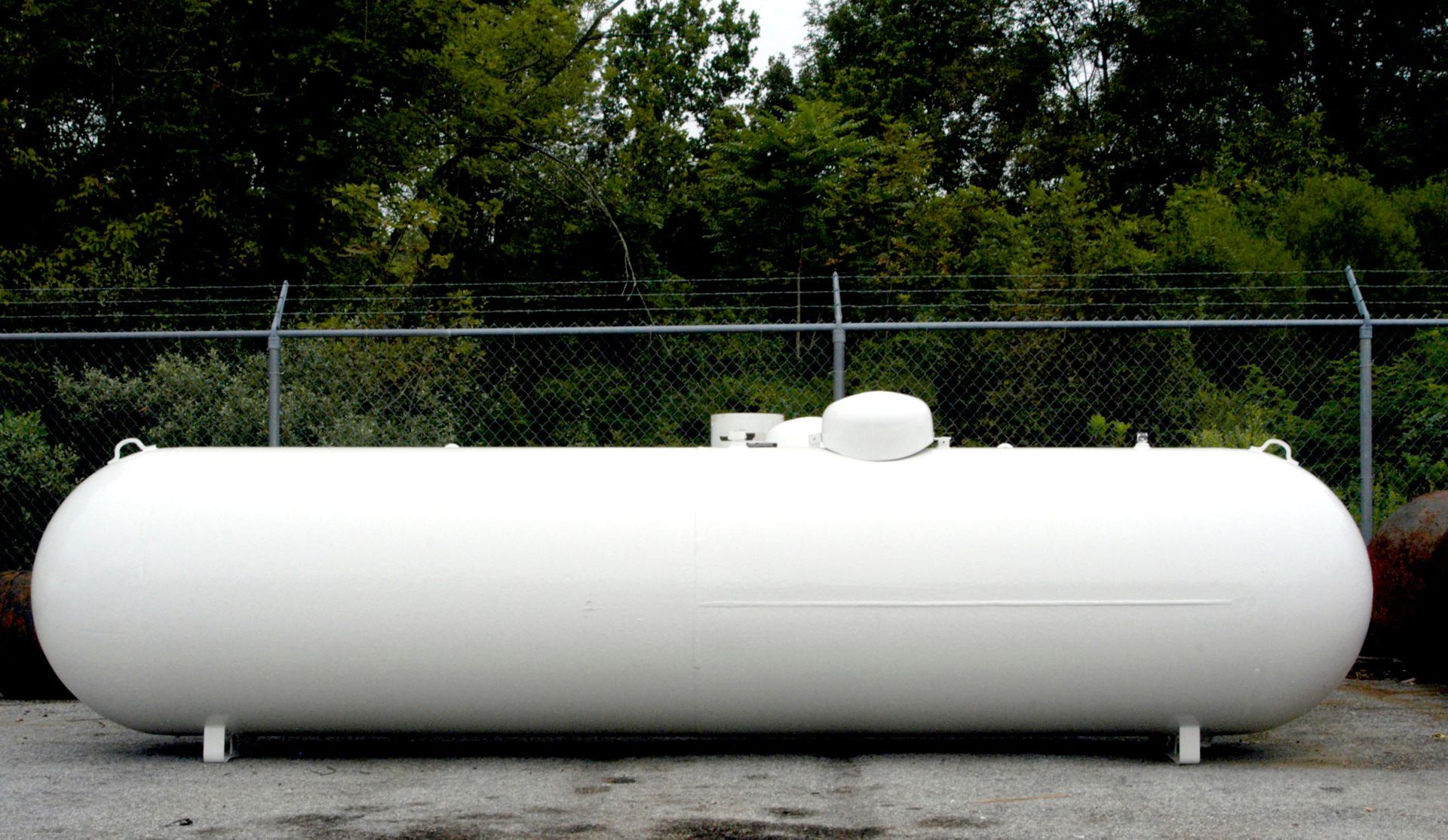
Another advantage of oil-based heating is that homeowners typically store their fuel in a tank located on their property. Unlike systems that rely on a continuous fuel supply through utility pipelines, oil-fired furnaces and boilers draw from an existing reserve. This arrangement allows residents to monitor available fuel and arrange deliveries according to household consumption. Tank gauges and compatible monitoring devices can help homeowners estimate when additional fuel may be necessary.
Using heating oil also gives households flexibility when planning fuel purchases throughout the colder months. Some homeowners prefer ordering deliveries when their tank reaches a certain level, while others choose automatic delivery arrangements through their suppliers. Maintaining an adequate supply is particularly important during periods of increased heating demand. Allowing a tank to run empty can interrupt heating and may require additional steps before the equipment operates normally again. Monitoring fuel levels regularly helps homeowners prepare for winter conditions and avoid preventable disruptions.
4. Offering Convenient Fuel Delivery Arrangements
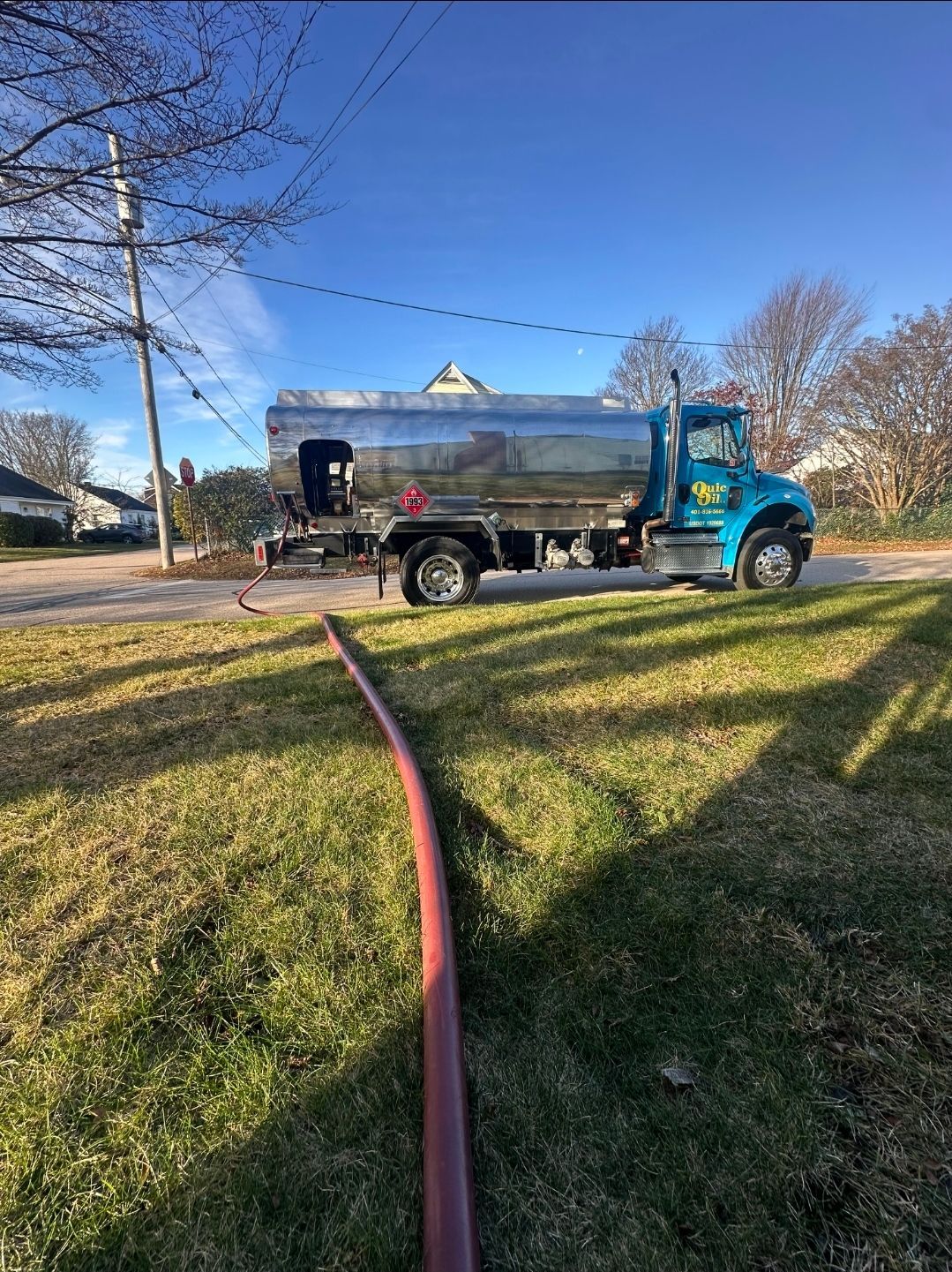
Fuel delivery options can make managing a residential heating system more convenient. Many suppliers offer different arrangements to accommodate household preferences and seasonal consumption patterns. Will-call delivery allows homeowners to request additional fuel when they determine that their tank needs replenishment. Automatic delivery programs, when available, may use estimated consumption and weather conditions to help suppliers schedule deliveries before fuel levels become too low.
Households that depend on heating oil may also have access to services such as tank monitoring, seasonal delivery planning, or payment arrangements. Available options vary by supplier, making it important to understand scheduling procedures, delivery requirements, and applicable fees. Establishing a relationship with a dependable provider can simplify the process of maintaining an adequate fuel supply. Clear communication also helps homeowners prepare for periods of increased demand, particularly when winter storms or prolonged freezing temperatures affect normal household routines.
5. Improving Heating Efficiency With Modern Equipment
Modern oil-fired heating systems incorporate technology designed to improve combustion control, heat transfer, and overall equipment performance. High-efficiency furnaces and boilers can make better use of available fuel than older, poorly maintained systems. Updated burners, electronic controls, and improved heat exchangers may contribute to more effective heating. However, actual efficiency depends on equipment specifications, installation quality, operating conditions, and maintenance practices. Homeowners considering equipment upgrades should compare available models and their efficiency ratings before making a decision.
Households using heating oil can also support efficient operation through routine maintenance and thoughtful energy management. Replacing filters when necessary, scheduling professional inspections, and maintaining appropriate thermostat settings can help reduce avoidable energy waste. Improving insulation and sealing air leaks may decrease the amount of heat required to maintain comfortable temperatures. These improvements work together to help the heating system meet household needs without unnecessary operation. Regular attention to equipment performance can also help homeowners recognize unusual changes in fuel consumption.
6. Accommodating Different Residential Heating Requirements
Residential properties vary considerably in size, layout, insulation, and heating requirements. Oil-fired heating equipment is available in different configurations to accommodate these differences. Furnaces distribute heated air through ductwork, while boilers circulate heated water or steam through compatible distribution systems. These options allow homeowners to select equipment that works with their existing infrastructure or planned heating arrangements. The most appropriate system depends on the property's design, heating demands, and available installation space.
For homeowners who already use heating oil, replacing aging equipment with a compatible system may reduce the need for extensive changes to existing infrastructure. Converting to another fuel source can involve additional modifications to heating equipment, utility connections, or distribution systems. However, homeowners should compare installation expenses, operating costs, efficiency ratings, and maintenance requirements before deciding which approach makes the most sense. A professional evaluation can help identify suitable equipment and determine whether repairs, upgrades, or replacement would better support long-term comfort.
7. Simplifying Long-Term Household Heating Planning
Managing residential heating expenses requires an understanding of seasonal consumption, equipment performance, and changing outdoor temperatures. Homeowners can review previous fuel deliveries to estimate how much energy their household typically requires throughout winter. Tracking these purchases may also help identify unusual consumption patterns that could indicate equipment inefficiencies or changes in heating habits. Although fuel prices fluctuate, maintaining accurate records can make seasonal budgeting more manageable.
Planning ahead also helps homeowners prepare for increased heating demand before colder weather arrives. Checking tank levels, scheduling maintenance, and discussing delivery arrangements with a supplier can reduce the likelihood of unexpected interruptions. Some providers offer budget payment programs or other purchasing arrangements that help households manage expenses over time. Understanding the available options allows homeowners to choose arrangements that align with their financial preferences. Combining careful fuel management with regular equipment maintenance can support a more predictable and convenient heating experience throughout the season.
Choosing an appropriate residential heating source involves balancing comfort, reliability, equipment performance, and ongoing household expenses. Oil-fired systems offer several practical benefits, including consistent warmth, durable equipment, flexible fuel delivery arrangements, and opportunities for efficient operation. Proper maintenance and thoughtful planning can help homeowners make the most of these advantages while reducing the likelihood of unexpected heating interruptions. Working with a dependable supplier is another important part of maintaining a comfortable home throughout the colder months. Whether you need to arrange a fuel delivery, discuss your household's heating oil requirements, or explore available service options, professional assistance can make seasonal heating management easier. To learn more about dependable fuel delivery and keeping your home warm during winter, contact Quic Oil today.