August 11, 2026
Maintaining a comfortable indoor environment throughout cold weather months requires a dependable heat source that keeps residential spaces warm and secure. Many homeowners rely on liquid fuel systems to generate consistent warmth, yet lingering misunderstandings about this fuel source cause unnecessary hesitation or confusion. Historical stereotypes, outdated information, and persistent rumors often lead people to believe that liquid fuel heating is dirty, hazardous, or inefficient. Modern technology, rigorous fuel refining standards, and advanced burner equipment have completely transformed how household heating functions across residential properties. Dispelling common misconceptions empowers property owners to make informed choices about their home comfort systems, operational expenses, and seasonal energy needs. Partnering with professional heating oil services ensures that residential equipment operates at peak performance, maximizing fuel efficiency and overall household comfort.
Dispelling the Misconception Regarding Environmental Impact
A widespread myth suggests that liquid fuel heating generates excessive environmental pollution and heavy soot emissions compared to alternative fuel sources. Decades ago, early fuel formulations contained higher sulfur levels that produced noticeable smoke and residue during combustion. Today, ultra-low sulfur fuel formulations combined with renewable biofuel blends burn remarkably clean, producing minimal particulate matter and virtually eliminating visible soot within heating equipment. According to Shipley Energy, today’s heating oil is 90-95% cleaner than it was in the 1970s. In addition, its sulfur content has been reduced by 93% since the late 80’s. This dramatic evolution ensures that modern liquid fuel systems align with stringent environmental protection standards while keeping residential chimneys clear.
Upgrading to modern high efficiency equipment further reduces carbon footprints, ensuring that minimal fuel generates maximum thermal energy for indoor spaces. Clean-burning fuel leaves fewer combustion deposits inside heat exchangers, which prevents system degradation and keeps equipment running efficiently over extended operational periods. Property owners who schedule regular maintenance with professional heating oil services help preserve air quality, optimize fuel usage, and minimize overall environmental impacts. Understanding the clean nature of modern fuel allows households to enjoy reliable warmth without environmental worry.
Dispelling the Misconception Regarding Operational Efficiency
Another common belief claims that liquid fuel systems are outdated and far less efficient than alternative heating options. Skeptics often assume that fuel oil systems waste significant energy during combustion, leading to higher monthly heating costs. Modern condensing boilers and furnaces feature advanced burner designs that convert nearly all fuel into usable indoor warmth. The high thermal density of liquid fuel provides intense, rapid heat output that raises household temperatures faster than electric or gas alternatives, keeping interior living spaces comfortably warm even during severe winter storms.
System efficiency depends heavily on routine care, proper burner adjustments, and periodic equipment inspections conducted by trained technicians. Well-maintained systems preserve high combustion standards, preventing fuel waste and lowering seasonal heating bills across every room in the home. Homeowners who schedule routine tune-ups through dependable heating oil services ensure that their equipment continues to deliver optimal thermal efficiency year after year. Modern system design combined with professional maintenance dispels any lingering notions of inefficiency.
Dispelling the Misconception Regarding Household Safety
Safety concerns frequently arise among homeowners who mistakenly assume that liquid heating fuel is volatile, explosive, or prone to sudden ignition. Liquid fuel is remarkably stable in its natural state, remaining non-flammable at room temperature and unable to explode under normal household conditions. A lit match dropped directly into liquid fuel will simply extinguish as if submerged in plain water, because the liquid must be heated above its flash point and atomized into a fine vapor before combustion can occur. This inherent physical stability makes liquid fuel a premier safe energy choice available for residential heating applications.
Advanced heating equipment includes multiple built-in safety controls, automatic shutoff valves, and clear warning signals that detect system anomalies before hazards arise. Modern systems operate safely within enclosed combustion chambers, keeping flames and exhaust gases entirely separated from household living areas. Enlisting certified technicians to perform periodic safety checks through professional heating oil services guarantees that all protective mechanisms operate properly. Understanding these built-in safety factors provides peace of mind for households relying on stored fuel warmth.
Dispelling the Misconception Regarding Equipment Lifespan
Some property owners believe that liquid fuel heating equipment breaks down frequently and requires premature system replacement after short periods of use. In reality, liquid fuel boilers and furnaces are engineered with heavy-duty components designed for extraordinary durability and long operational lifespans. Proper lubrication from clean fuel along with heavy cast iron or stainless steel construction allows these systems to outlast many alternative heating units. Routine annual maintenance, including filter changes and nozzle cleaning, keeps internal components operating smoothly for decades.
Longevity makes liquid fuel heating an economical investment, reducing the frequency of costly full system replacements over the life of a home. Regular tune-ups and component replacements performed by experienced technicians protect major equipment investments and prevent sudden breakdown emergencies. Scheduling comprehensive annual inspections with trustworthy heating oil services ensures that household boilers and furnaces maintain their structural integrity and operational efficiency over time. Proper care ensures that residential heating equipment remains reliable through countless harsh winter seasons.
Dispelling the Misconception Regarding Storage Security
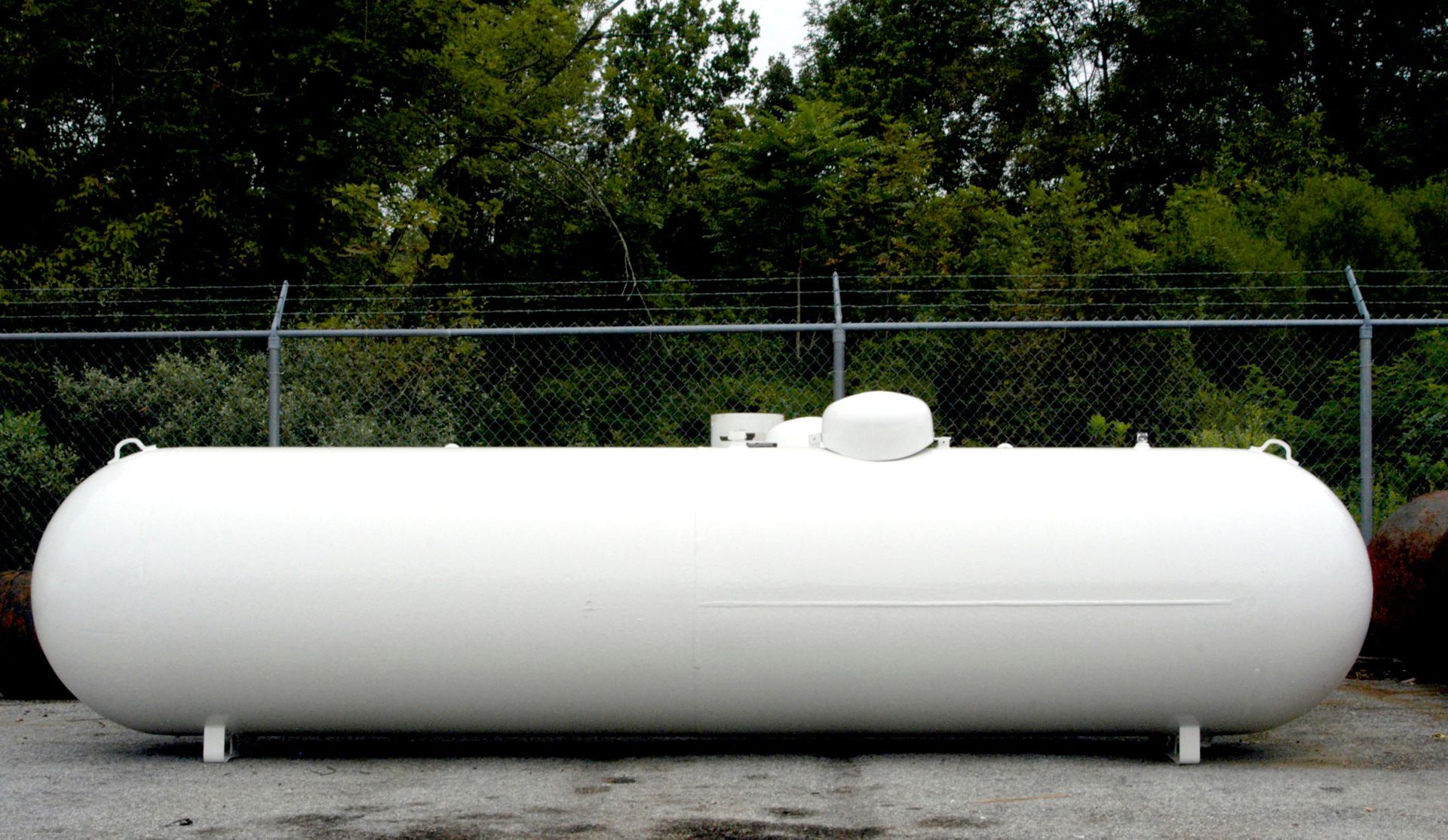
Misconceptions surrounding fuel storage tanks often lead homeowners to fear constant fuel leaks, unpleasant odors, or sudden tank failures. Modern storage tanks feature reinforced dual-wall construction, corrosion-resistant materials, and built-in leak detection systems that prevent environmental contamination or structural degradation. Today, residential storage tanks can be placed safely indoors, in basements, or outdoors above ground without creating unpleasant smells or safety risks. Advanced ultrasonic tank monitoring devices give property owners real-time visibility into fuel levels, alerting them when fuel supplies require replenishment.
Having an on-site fuel tank provides homeowners with complete control over their winter energy supply, eliminating dependence on underground utility pipelines that can fail during major natural disasters. On-site fuel storage ensures that warm air continues circulating even when external municipal infrastructure experiences widespread disruptions. Partnering with reputable heating oil services allows homeowners to receive timely deliveries and expert tank evaluations that guarantee long-term storage integrity. Secure fuel storage offers unprecedented independence and reliability during extreme weather conditions.
Dispelling the Misconception Regarding Fuel Costs
A final widespread myth is that heating with liquid fuel is inherently unpredictable and far more expensive than other utility options. Fuel prices do fluctuate based on global market dynamics, but high energy density means that each gallon produces exceptional thermal output, delivering more heat per unit consumed than alternative fuels. Efficient fuel consumption combined with long-lasting equipment lowers overall lifetime heating expenses for budget-conscious property owners. Flexible delivery programs, budget payment plans, and seasonal price protection options help households manage winter fuel expenditures effectively.
Upgrading to high-efficiency systems and maintaining clean fuel combustion helps homeowners minimize annual fuel consumption while enjoying optimal home warmth. Managing heating expenses becomes straightforward when homeowners work with experienced professionals who offer transparent pricing and reliable delivery schedules. Engaging reliable heating oil services enables households to optimize fuel usage, implement effective delivery plans, and maintain cost-effective heating throughout the winter season. Informed homeowners can confidently rely on liquid fuel to keep their living spaces warm, efficient, and affordable.
Dispelling common myths surrounding home heating fuel helps property owners recognize the cleanliness, efficiency, safety, durability, storage control, and cost effectiveness of modern liquid heat systems. Technological advancements, ultra-low sulfur formulations, and high-efficiency equipment have transformed liquid fuel into an environmentally responsible and reliable home heating solution. Proactive maintenance and professional care ensure that residential equipment operates safely and efficiently through every cold season. Partnering with dedicated fuel specialists guarantees consistent warmth, expert equipment oversight, and complete peace of mind for your household. For dependable fuel delivery, professional equipment maintenance, and top-quality heating oil services tailored to your needs, contact Quic Oil today.