December 18, 2025
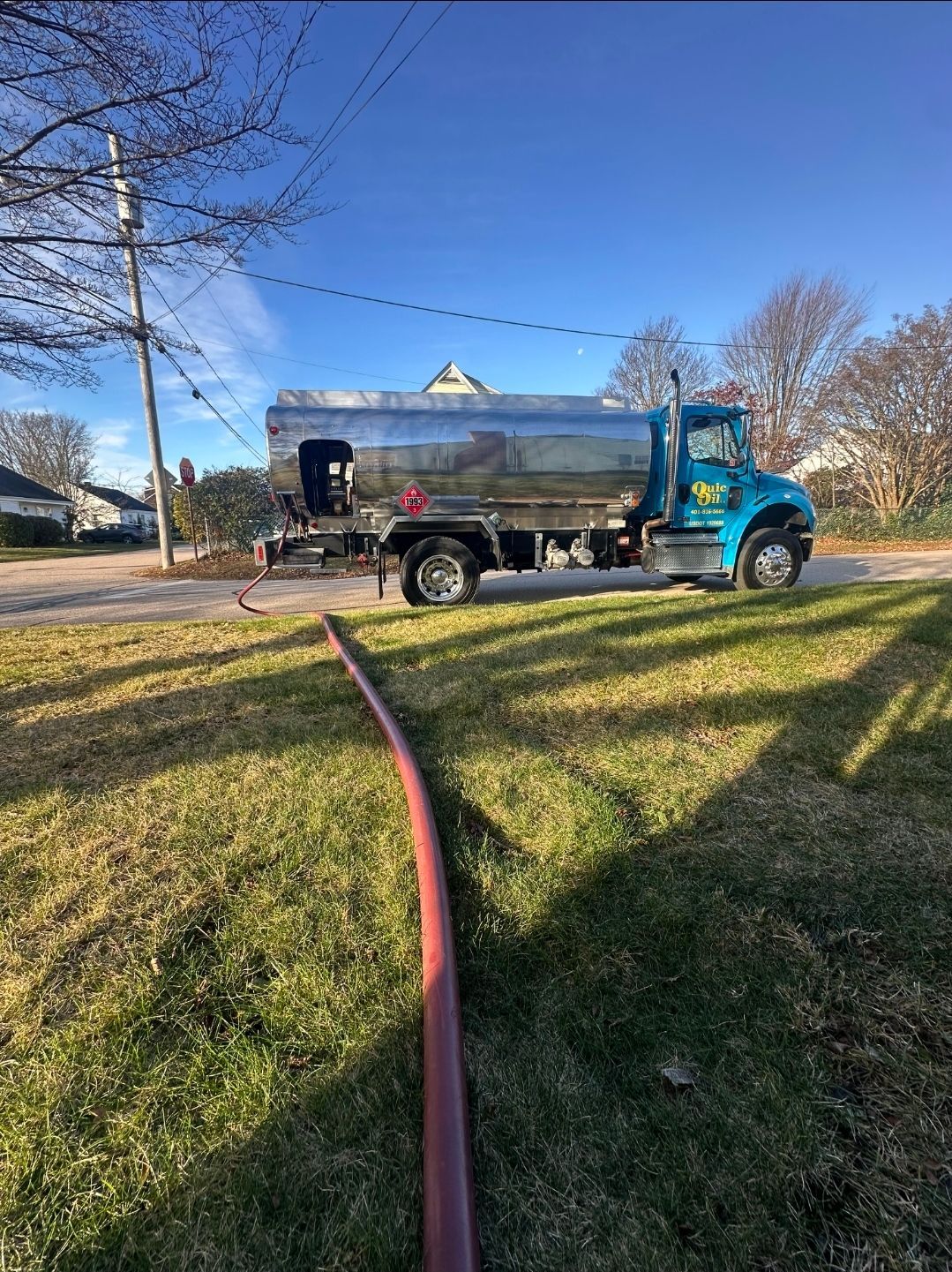
Diesel fuel plays a vital role in powering industries across the U.S. From transportation to construction, it serves as the backbone for operations that depend on heavy machinery, commercial vehicles, and generators. Efficient access to diesel is crucial for businesses that cannot afford downtime. By providing timely, on-site refueling, diesel fuel delivery services help industries maintain productivity, reduce operational delays, and improve overall efficiency. As energy demands grow and industries expand geographically, the convenience has become not just a benefit but a necessity for staying competitive.
The importance of a reliable fuel supply extends beyond convenience; it directly impacts cost management and operational planning. Companies that rely on large fleets or heavy equipment often face logistical challenges when managing fuel resources. On-site delivery ensures consistent access to high-quality diesel, helping businesses avoid the risks of running low, incurring expensive emergency purchases, or losing valuable work hours. By optimizing how and when fuel is delivered, businesses can better forecast expenses, streamline operations, and focus on long-term growth rather than day-to-day fuel concerns.
1. Transportation and Logistics
The transportation and logistics industry is the lifeline of the modern economy, moving goods and materials across the country every day. Trucks, buses, and freight carriers depend heavily on diesel engines due to their durability, fuel efficiency, and ability to handle long-distance travel under heavy loads. For logistics companies, maintaining a steady fuel supply is not just a convenience; it’s essential for meeting delivery schedules and contractual obligations.
On-site fuel delivery helps transportation companies reduce downtime and avoid costly delays. Instead of drivers detouring to refuel at gas stations, fuel can be brought directly to depots or fleet locations, allowing vehicles to stay on the road longer. This improves route efficiency, keeps shipments on schedule, and ensures customer satisfaction. Timely deliveries also reduce administrative burdens, as companies can coordinate bulk refueling instead of tracking individual trips.
Fleet management companies also benefit from improved monitoring when diesel is delivered regularly. Many providers offer tracking and reporting tools that allow businesses to monitor usage patterns, predict future needs, and optimize routes for fuel efficiency. This data-driven approach helps companies reduce fuel waste and cut operating costs over time. By leveraging these insights, managers can make more informed decisions about fleet scheduling, maintenance timing, and resource allocation to maximize overall performance.
Reliable fuel access supports environmental and regulatory compliance. Transportation companies are increasingly required to adhere to emission standards, and using high-quality diesel from experienced providers ensures engines run cleaner and more efficiently. In this way, diesel fuel delivery isn’t only practical but also contributes to sustainable operations.
2. Construction and Heavy Equipment
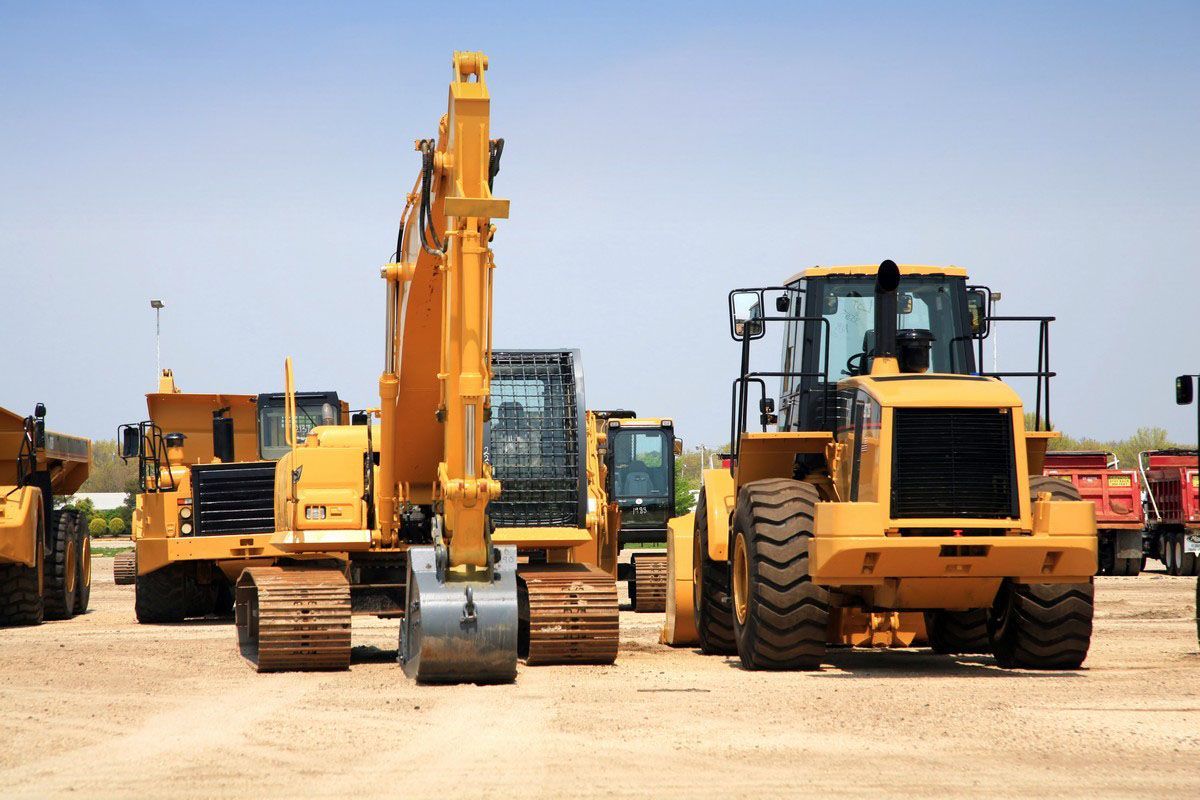
Construction projects depend heavily on machinery that consumes significant amounts of diesel. Excavators, bulldozers, cranes, and generators all require a constant supply of fuel to keep projects moving on time. Any interruption in fuel availability can halt operations, delay project completion, and result in substantial financial losses. Diesel fuel deliveries solve this challenge by bringing fuel directly to construction sites, ensuring heavy equipment remains operational throughout the workday.
Large-scale construction sites often operate in remote or developing areas where fuel stations may be limited or inaccessible. Delivery services eliminate the need for workers to travel long distances for refueling, saving time and reducing safety risks associated with transporting fuel over challenging terrain.
According to Statista, about 3.83 million barrels of diesel fuel are consumed in the U.S. every day. A significant portion of this consumption comes from the construction sector, which relies on diesel to power its equipment continuously. Delivery services help meet this demand efficiently, allowing firms to plan projects without worrying about fuel interruptions.
In addition to convenience, scheduled diesel deliveries help construction companies manage costs. Bulk fuel delivery often comes at a lower price than purchasing smaller amounts from multiple stations. Companies can align fuel supply with project timelines, avoiding excess storage and the associated risks. Diesel fuel delivery supports operational efficiency, safety, and cost-effectiveness in construction.
3. Agriculture and Farming
The agriculture industry is another sector that relies heavily on diesel-powered machinery. Tractors, harvesters, irrigation pumps, and transport vehicles all require fuel to operate efficiently. Given the seasonal nature of farming and the large areas of land that need to be covered, having a reliable supply is crucial to prevent delays during planting, harvesting, and other critical operations.
Diesel fuel delivery provides farmers with a convenient solution, allowing machinery to operate without interruption. On-site refueling is especially valuable during peak seasons, when delays can result in lost crops or reduced yields. This also reduces the need for trips to fuel stations, saving both time and labor. By ensuring that equipment remains fueled and ready, farmers can coordinate field operations more effectively and maintain momentum during high-demand periods.
Bulk fuel purchases through delivery services can offer cost savings as well. Buying larger quantities at once often comes with better pricing and reduces the transportation costs of multiple small purchases. This helps farmers manage budgets effectively while keeping essential equipment running for long workdays.
Fuel delivery promotes efficiency and sustainability in agriculture. Scheduled deliveries allow for better planning, reducing unnecessary consumption and minimizing the environmental impact of operations. With fuel reliably available, farmers can focus on productivity and innovation rather than logistical concerns.
4. Emergency Services and Utilities
Emergency services and utilities rely on diesel for their critical operations. Ambulances, fire trucks, police vehicles, and utility trucks all use diesel engines due to their reliability, power, and longevity. When emergencies occur, every second counts, and vehicles must be ready to respond immediately. Diesel fuel delivery ensures that emergency services and utility providers maintain operational readiness at all times.
Power generators and backup systems are also heavily dependent on diesel fuel. Hospitals, data centers, and municipal utilities often use diesel generators to maintain operations during power outages. Delivery services provide a lifeline for these facilities, ensuring backup systems can run smoothly when electricity is disrupted. Without timely fuel, critical services could be compromised, putting lives and property at risk.
Utility companies, including water, gas, and electrical providers, operate fleets of trucks and heavy equipment to maintain infrastructure and respond to outages. Diesel fuel deliveries allow these companies to keep vehicles and machinery running without delays, particularly during emergencies or natural disasters. Efficient fuel access directly impacts their ability to restore services quickly and safely.
Additionally, on-demand fuel delivery provides flexibility and planning advantages for emergency and utility providers. Scheduled deliveries allow strategic fuel management, preventing shortages and reducing the need for emergency purchases at higher costs. The result is enhanced reliability, cost efficiency, and peace of mind for both providers and the communities they serve.
Diesel fuel delivery has become a critical component for industries that rely on heavy machinery, fleets, and uninterrupted operations. Transportation, construction, agriculture, and emergency services all benefit from the convenience, efficiency, and cost savings offered by fuel delivery services. By providing timely, on-site access, businesses can maintain productivity, reduce downtime, and optimize resource management.
As industries continue to evolve, the role of fuel delivery will remain essential. Companies that prioritize efficient fuel management and reliable delivery are better positioned to meet operational demands, improve service quality, and maintain a competitive edge. From large construction projects to critical emergency services, diesel fuel deliveries ensure that vital operations run smoothly every day.
Keep your operations running without interruption by partnering with reliable diesel fuel delivery services from Quic Oil. Schedule your next delivery with us to maintain efficiency and reliability.